
General requirements for liquid level gauges used in carbon dioxide storage tanks
1.Select based on the medium, maximum allowable working pressure and temperature of the carbon dioxide storage tank.
2.Before installation and use, for carbon dioxide storage tanks with a design pressure less than 10MPa, a hydraulic test at 1.5 times the nominal pressure of the liquid level gauge should be conducted. For carbon dioxide storage tanks with a design pressure greater than or equal to 10MPa, a hydraulic test at 1.25 times the nominal pressure of the liquid level gauge should be carried out.
3.For carbon dioxide storage tanks storing media below 0℃, anti-frost level gauges should be selected.
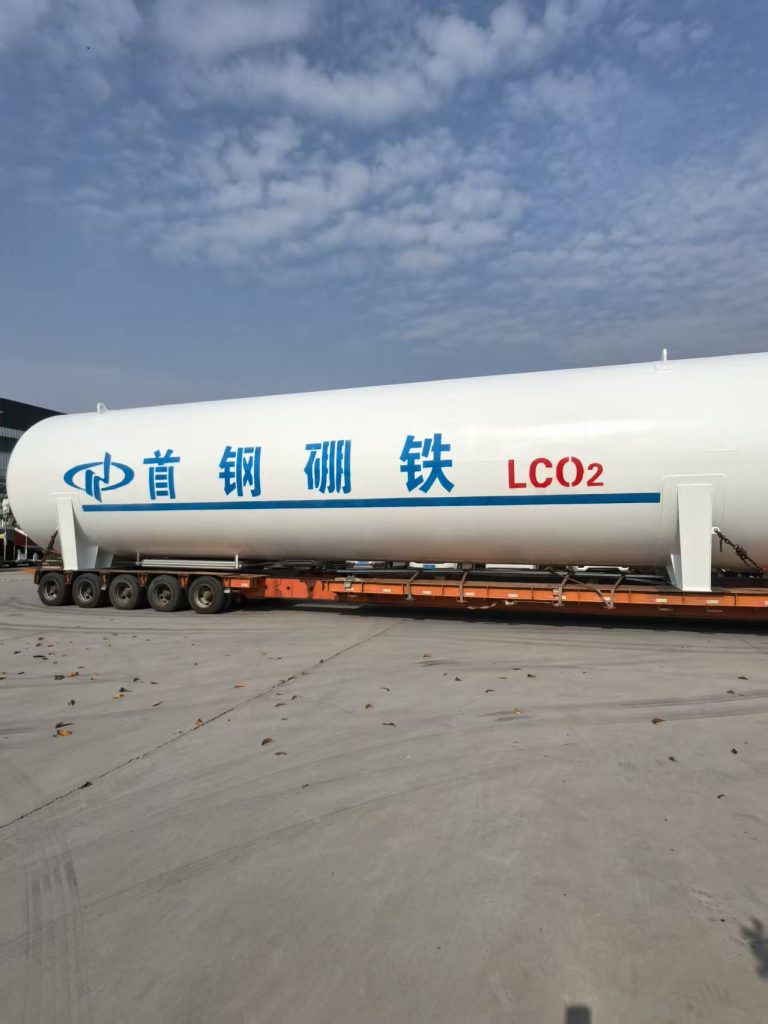
4.For liquid level gauges used outdoors in cold regions, jacketed or insulated structures should be selected.
5.The liquid level gauge used on the storage tank of liquefied gas carbon dioxide, which is explosive and highly hazardous in terms of toxicity, should be equipped with a protective device to prevent leakage.
6.Where a stable liquid level indication is required, float (gauge) type liquid level gauges are not allowed to be used.
Installation requirements for liquid level gauges: Liquid level gauges should be installed in positions that are convenient for observation; otherwise, additional auxiliary facilities should be added. Large carbon dioxide storage tanks should also have centralized control facilities and alarm devices. The highest and lowest safe liquid levels on the liquid level gauge should be clearly marked.
To ensure safe and reliable operation of liquid level gauges in carbon dioxide storage tanks, strict adherence to material selection, pressure testing, and installation protocols is essential. For expert guidance tailored to your specific project needs, please contact our technical team for a consultation.