

In the field of liquefied natural gas (LNG) storage, choosing the right type of storage tank is crucial for project cost, safety and operational efficiency. At present, the mainstream forms of LNG storage tanks include atmospheric storage tanks, mother-child tank pressurized storage , and vacuum powder storage tank pressurized storage . The choice mainly depends on the storage scale, economy and on-site conditions. The following is a detailed analysis of the three types of storage tanks:
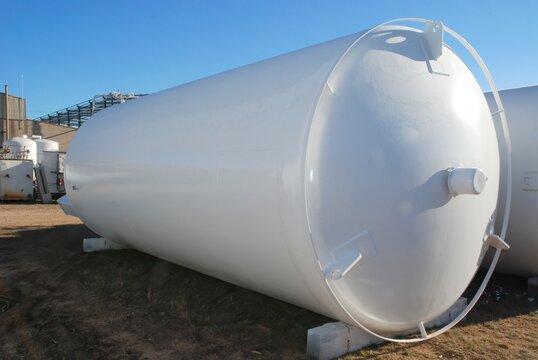
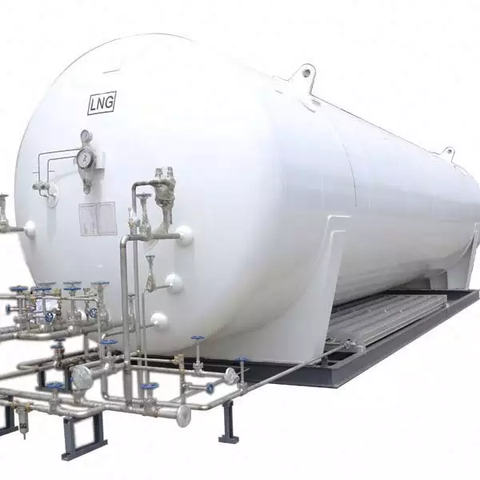
1.Vacuum powder storage tank: high-efficiency insulation modular design
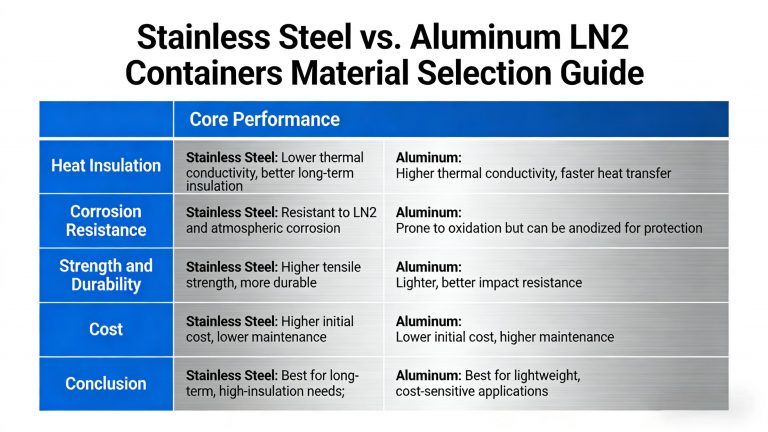
Structural features : It adopts a double-layer stainless steel design. The inner tank is a low-temperature resistant stainless steel pressure vessel, and the outer tank is made of carbon steel. The inter layer is filled with high-efficiency insulation material and evacuated. The vacuum environment significantly reduces heat transfer, ensuring the long-term stable storage of LNG.
Manufacturing and transportation : After the overall manufacturing and pressure testing are completed in the factory, it is directly transported to the site. The installation period is short, making it suitable for time-sensitive projects.
Applicable scenarios : small and medium-sized storage tanks (such as those under 5000m³), especially suitable for distributed energy projects that require rapid deployment.
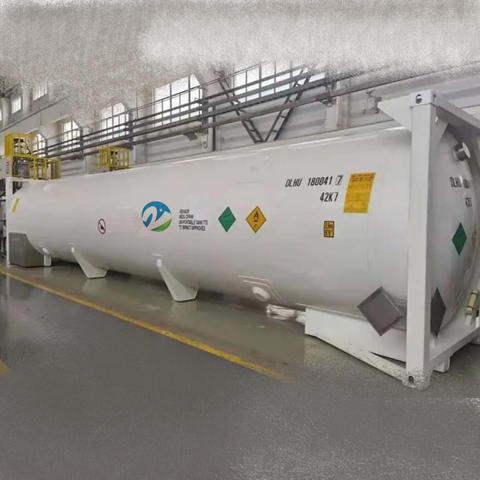
2.Child and mother tanks: flexible capacity expansion pressurized storage solution
Structural features : Composed of multiple small stainless steel inner tanks (sub-tanks), it is externally covered with a large carbon steel outer tank. The interlayer is filled with insulating material and dry nitrogen is introduced to prevent moisture from entering while maintaining the internal pressure.
Manufacturing and installation : The sub-tanks are prefabricated in the factory and transported to the site, while the outer tanks are assembled on site, balancing manufacturing efficiency and transportation costs.
Economy : The initial investment is lower than that of vacuum powder tanks but higher than that of atmospheric pressure tanks; Long-term operating costs are slightly higher due to nitrogen maintenance and pressure management.
Applicable scenarios : Medium to large storage tanks (such as 5000m³-20000m³), suitable for industrial projects that require phased expansion.
3.Atmospheric storage tanks: low-cost but high-maintenance surface/underground solution
Structural type : including bimetallic tanks (stainless steel inside and carbon steel outside) and prestressed concrete structures. Ground tanks are easy to maintain, while underground tanks save space but are more complicated to install.
Manufacturing and installation : Both the inner and outer tanks are constructed on site, with a long construction period, suitable for areas with low land costs.
Economy : The one-time investment is the lowest, but the long-term operating costs (such as evaporation loss and insulation maintenance) are significantly higher than other types.
Applicable scenarios : Large storage tanks (such as over 20,000 cubic meters), commonly found in port receiving terminals or base-type LNG projects.
By comparing the advantages and disadvantages of the three types of storage tanks, enterprises can more accurately match project requirements and optimize the full life cycle cost of the LNG storage system. If you need further technical consultation or customized solutions, please feel free to contact our expert team.