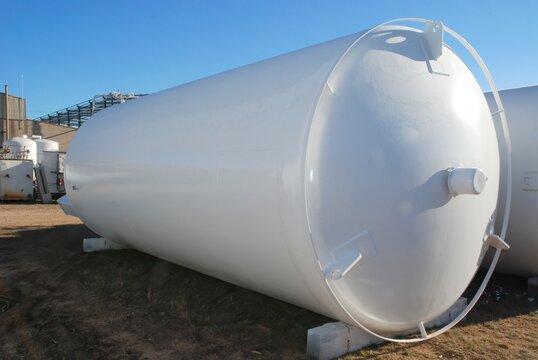


In the design and safety assessment of pressure vessels, design pressure and calculated pressure are two core parameters, which are directly related to the structural integrity and operational safety of the vessels. This article will delve into how to accurately determine these key parameters to ensure the stable operation of pressure vessels under various working conditions.
The method for determining design pressure
1.Basic Definitions and Importance
The design pressure is the maximum pressure set at the top of the container, which, together with the design temperature, constitutes the basic design load condition of the container. This parameter must not be lower than the working pressure and is the primary consideration to ensure the safety of the container.
2.Configuration of overpressure relief devices
When a pressure vessel is equipped with an overpressure relief device, the determination of the design pressure must strictly follow the provisions of Appendix B of GB/T150 “Pressure Vessels”. The specific steps are as follows:
● Initial pressure setting: Usually, the design pressure of the container is taken as the starting pressure for the overpressure limit.
● Alternative solution: Under specific circumstances, the maximum allowable working pressure can be used as the starting pressure, but it must be clearly marked on the drawings and nameplates, and the pressures for the hydrostatic test, pneumatic test and air tightness test should be adjusted.
●Detailed steps: This includes evaluating the type of relief device, calculating the pressure drop, considering fluctuations in operating conditions, etc., to ensure that the design pressure can effectively cover all potential overpressure scenarios.
3.Special considerations for liquefied gas containers
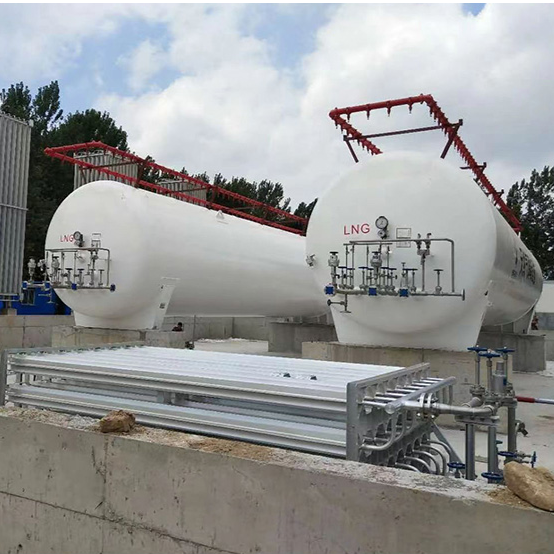
For pressure vessels holding liquefied gases, the determination of the design pressure needs to take into account the insulation facilities and the loading coefficient:
● With cold insulation facilities: The design pressure should be determined based on the maximum temperature that the medium inside the container may reach under working conditions.
● No insulation facilities: The design pressure must be determined in accordance with relevant regulations (such as the “Safety Technical Supervision Regulations for Pressure Vessels”) to ensure safe operation at the highest ambient temperature.
4.Pressure distribution in multi-chamber containers
For multi-chamber vessels composed of two or more pressure chambers (such as jacketed vessels), the design pressure of each pressure chamber needs to be determined separately. This method ensures that each pressure chamber can independently withstand its working pressure, avoiding structural failure caused by uneven pressure.
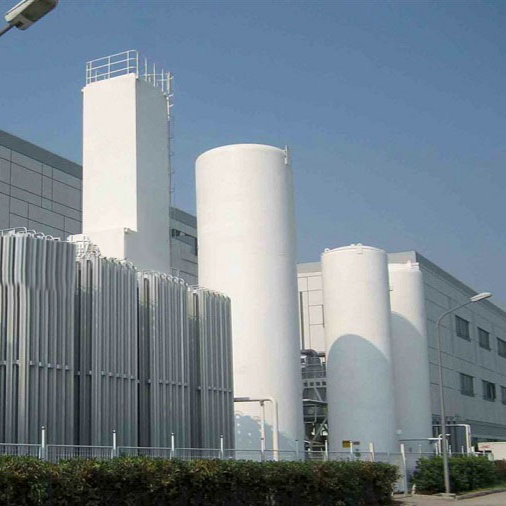
The method for determining calculated pressure
1.Special treatment of external pressure vessels
For external pressure vessels (such as vacuum vessels, submersible vessels and buried vessels), the determination of the calculated pressure needs to take into account the maximum pressure difference between the inside and outside that may occur under normal working conditions. This consideration ensures that the container can still maintain structural stability when external pressure changes.
2.Design pressure of vacuum vessels
When determining the shell thickness of a vacuum pressure vessel, the design pressure is considered based on the external pressure it can withstand:
● Equipped with safety control devices (such as vacuum relief valves) : The design pressure is taken as the lower of 1.25 times the maximum internal and external pressure difference or 0.12MPa to ensure safe pressure relief even under vacuum conditions.
● No safety control device: The design pressure is set at 0.1MPa as a conservative design to prevent container deformation or rupture due to excessive vacuum.
3.Calculated pressure of multi-chamber containers
For multi-chamber containers, when determining the calculated pressure of common components, the maximum pressure difference between adjacent chambers needs to be taken into account. This method ensures that the common structure (such as the shell or connecting parts) can withstand pressure fluctuations between different pressure chambers, avoiding structural failure caused by local overload.
Conclusion
The design pressure and calculated pressure of pressure vessels are key parameters to ensure their safe operation. By adhering to the provisions of standards such as GB/T150 and in combination with the specific working conditions and configurations of the vessels, these parameters can be accurately determined, providing a solid safety guarantee for the design, manufacture and operation of pressure vessels. For engineers and designers, understanding and applying these determination methods is the first step towards the safe design of pressure vessels.