

Cryogenic Pump Working Principle: A Concise Overview
Cryogenic pumps are essential in industries such as aerospace, LNG transport, semiconductor manufacturing, and medical gas supply, where fluids must be handled at temperatures below -150°C. Conventional pumps fail under these conditions due to material brittleness, vaporization, and thermal stress. Cryogenic pumps overcome these challenges through specialized design and materials.
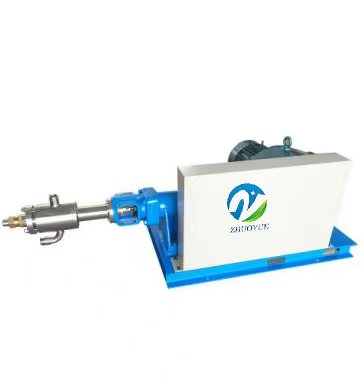
Key Types and Operating Principles
1.Centrifugal Cryogenic Pumps
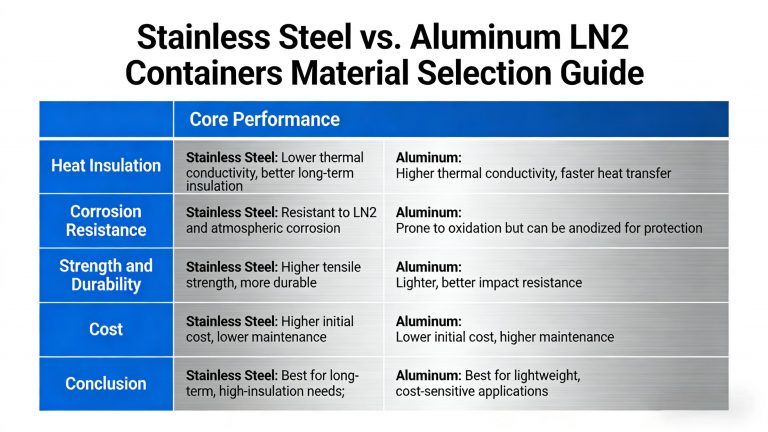
These use a high-speed impeller made of stainless steel or aluminum to generate centrifugal force, converting kinetic energy into pressure. They feature insulated, sealed casings and often use the cryogenic fluid itself for bearing lubrication. Hermetically sealed motors prevent ignition risks with flammable fluids like LNG.
2.Reciprocating (Positive Displacement) Pumps
A piston moves within a cylinder to draw in and compress cryogenic fluid. Inlet and outlet valves control flow during suction and discharge strokes. Equipped with PTFE seals and cooling jackets, they maintain performance at low temperatures and are ideal for high-pressure applications such as rocket propulsion.
3.Cryopumps (for Vacuum Systems)
Used in ultra-high vacuum environments, cryopumps cool surfaces to as low as 4.2 K using liquid helium. Gases condense on these surfaces, while light gases like hydrogen and helium are adsorbed by materials such as activated carbon. Periodic regeneration warms the system to release trapped gases.
4.Submersible Cryogenic Pumps
Designed for direct immersion in cryogenic fluids, these pumps integrate a hermetically sealed motor with the impeller. This eliminates shaft seals, reduces heat ingress, and prevents vapor lock. Commonly used in LNG tanks and aerospace fuel systems.
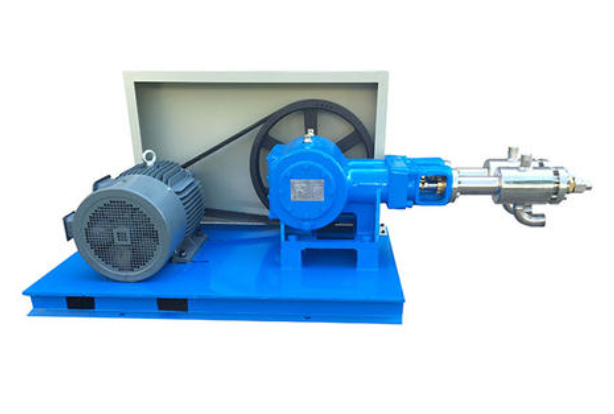
Operational Considerations
- Pre-cooling: Required to avoid thermal shock.
- Insulation: Vacuum-jacketed or multi-layer insulation minimizes heat transfer.
- Cavitation Prevention: Installation below fluid level and optimized suction lines reduce risk.
- Material Selection: Components use stainless steel, aluminum, copper, and PTFE for durability at low temperatures.
Applications
Aerospace: Liquid hydrogen/oxygen fueling
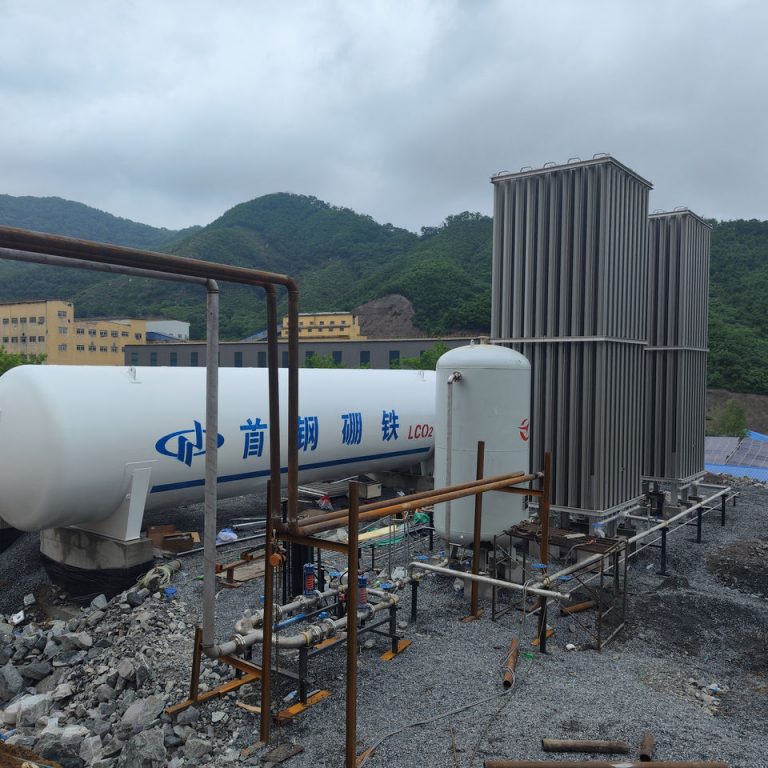
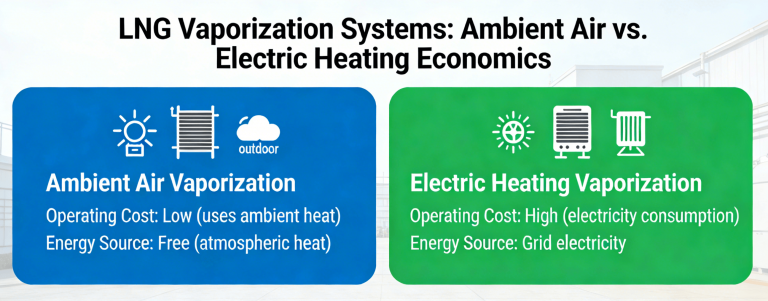
LNG Industry: Storage and transfer
Medical: Oxygen delivery and sample preservation
Semiconductors: Vacuum processing
Research: Superconductivity and quantum experiments
Conclusion
Cryogenic pumps enable reliable handling of ultra-cold fluids across critical industries. Understanding their types and operational needs ensures safe, efficient performance in extreme conditions.
The above is the introduction to the working principle of the low-temperature pump. Zhuoyue Gas Equipment specializes in the production and manufacturing of low-temperature gas equipment. If you have any such needs, you can contact us through the website. We will reply to you as soon as possible.