
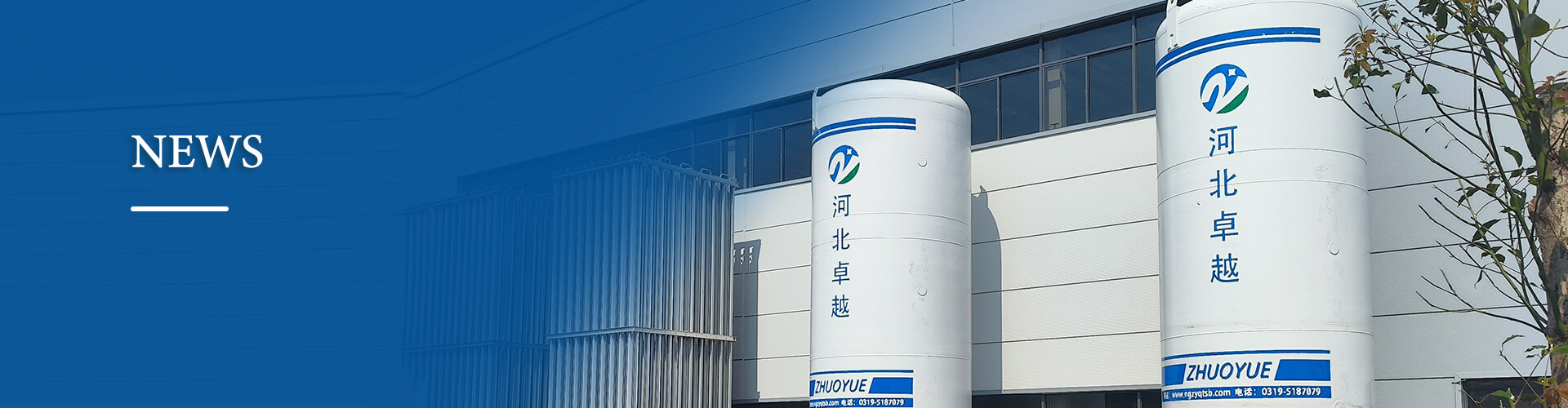
As cryogenic tech gets better, making and keeping liquid gases (like LNG, liquid oxygen, liquid nitrogen, liquid argon, and liquid carbon dioxide) is now used all over the place. Liquid oxygen tanks were made for this. They’re basically containers for liquid oxygen, used a lot in steel plants, hospitals, food and drink businesses, welding, etc.
Right now, hospitals and special oxygen rooms are switching from oxygen tanks to liquid oxygen tanks. Places that can support it are using liquid oxygen setups. So, as these tanks get more common, we need to make sure they’re used safely.
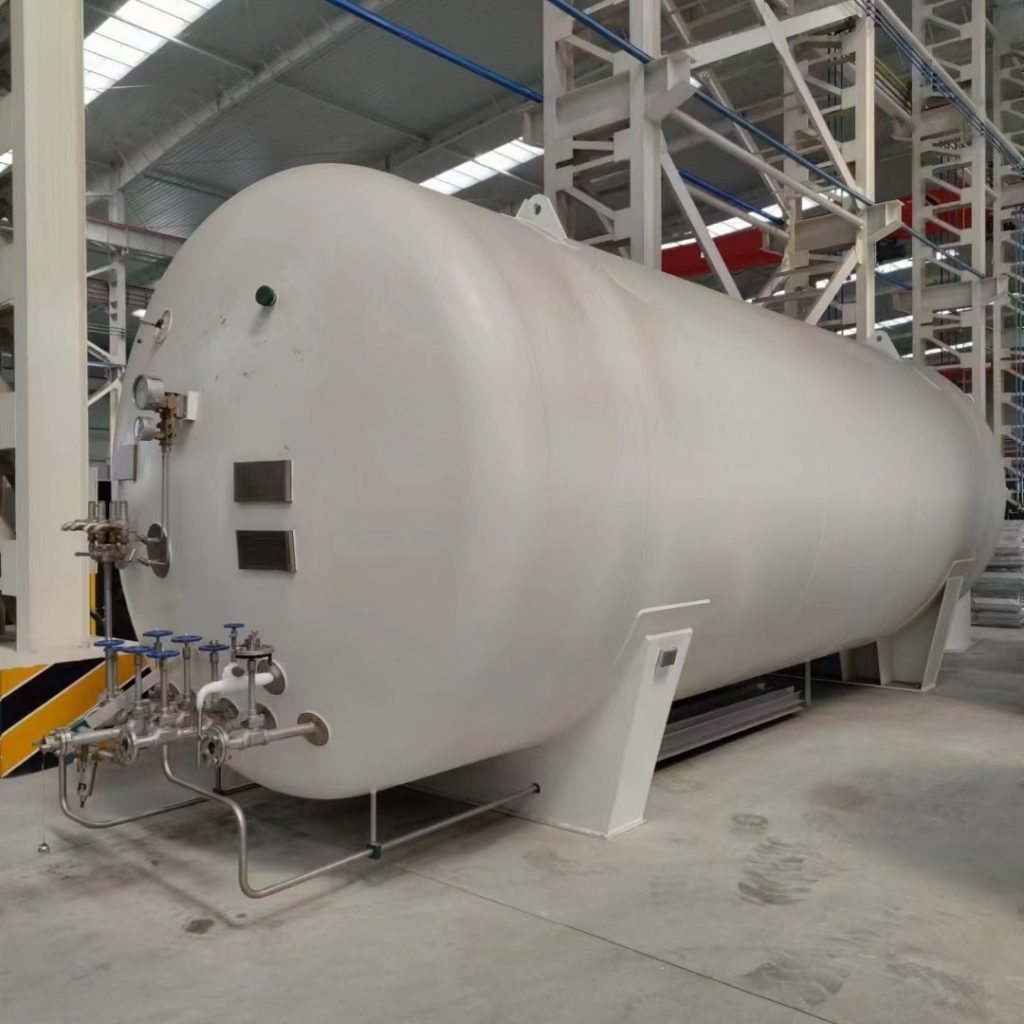
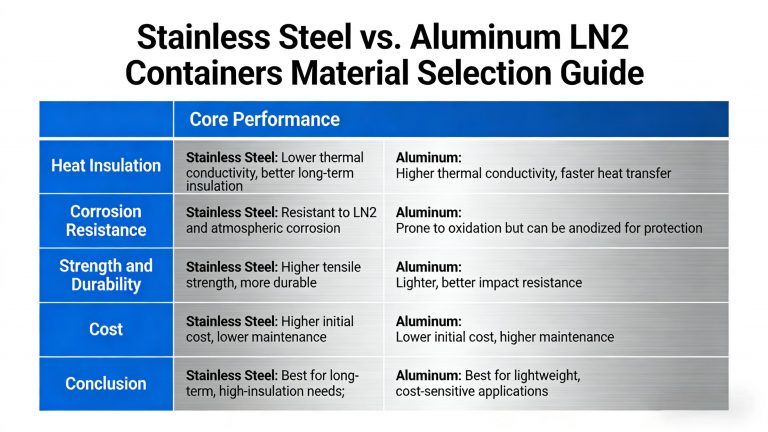
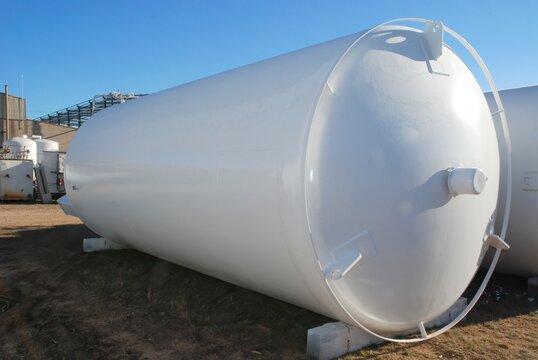
These tanks don’t move. Depending on the space, they can be tall or flat to fit what people need. The main part has two walls. The inside and pipes are made of stainless steel, and the outside is usually made of Q245R or Q345R carbon steel.
Since it can be 200°C different between the inside and outside, really insulation is a must. Besides how it’s built, how the inside is polished, how well the space between the walls is insulated is super important. Zhongjie Special Equipment tanks have pearlite insulation that’s vacuum-packed and better than what’s normally required. The inside of the tank works at 0.8MPa or 1.6MPa, which can be changed if needed.
If a liquid oxygen tank loses its vacuum, it can’t hold liquid oxygen anymore. The explosion-proof thing and vacuum valve on the outside are right next to the vacuum space. So, don’t take apart this vacuum system unless the vacuum is broken or you need to add more pearlite and remove the air again. The vacuum valve is sealed at the factory. This tells people not to mess with it because taking it off will ruin the vacuum inside the tank.