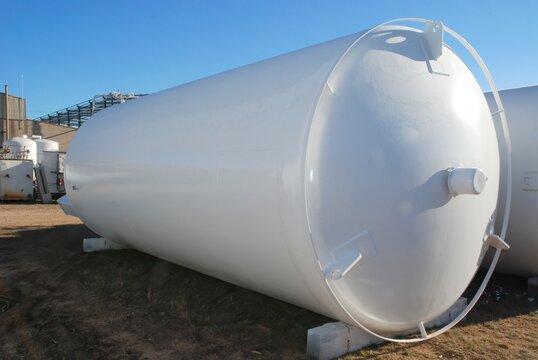


The welding quality of liquid storage tanks is an important factor affecting their manufacturing quality. Not only should the low-temperature toughness of the weld seams be ensured, but also the prevention of welding cracks is a key link in controlling the welding quality. The control of welding cracks mainly involves two aspects: cold cracks and hot cracks.
1.Cold cracks and their prevention measures The cause of cold cracks in the welding of low-temperature liquid storage tanks is the combined effect of stress, hardened structure and hydrogen content in the weld metal. The impurities in the steel of the low-temperature liquid storage tank, oil stains in the welding area, rust, water vapor in the atmosphere, etc., decompose hydrogen atoms under the high temperature of the electric arc and enter the molten pool. During the cooling process of the weld seam, they diffuse and accumulate in the heat affected zone near the fusion line in an oversaturated state. Under the combined action of welding stress and hardened structure, cold cracks are very likely to occur. Some process defects such as undercut and incomplete penetration also contribute to the generation of cold cracks. The following measures can be taken to prevent the occurrence of cold cracks in the welding of low-temperature liquid storage tanks:
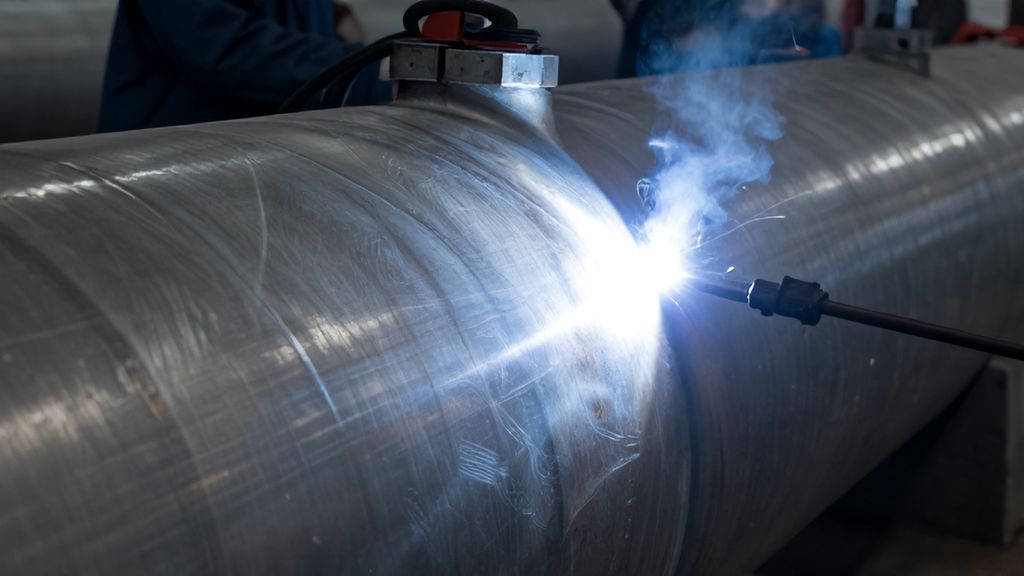
(1) Reduce the hydrogen source. When welding the low-temperature liquid storage tank, use low-hydrogen or even ultra-low-hydrogen welding rods. These rods must be thoroughly dried before use. The welding bevels must be thoroughly ground clean, and rust, oil, water vapor and other contaminants must be completely removed.
(2) Select the appropriate welding line energy during the welding of the low-temperature liquid storage tank. If the line energy is too small, the heat affected zone is prone to develop hardened structure. If the line energy is too large, it is beneficial for eliminating cold cracks, but it is likely to form overheat structure, affecting the low-temperature toughness.
(3) During the welding of the low-temperature liquid storage tank, strictly control the assembly quality. When the misalignment or edge angle exceeds the standard, welding shall not be carried out. It is strictly prohibited to force assembly, and assembly stress should be reduced. Reasonably arrange the welding sequence to minimize the restraint and stress.
(4) During the welding of the low-temperature liquid storage tank, preheating before welding and slow cooling after welding should be noted. Avoid hardened structure and reduce welding stress. Perform post-weld heat treatment or hydrogen removal treatment immediately after welding.
(5) During the welding of the low-temperature liquid storage tank, it is strictly prohibited to randomly spot weld or arc strike in non-welding areas. Arc pits, weld scars, mechanical damage, etc. should be polished clean, smoothly transitioned with the base material, and the repair should be ground to be flush with the base material. Magnetic particle testing or dye penetrant inspection should be conducted.
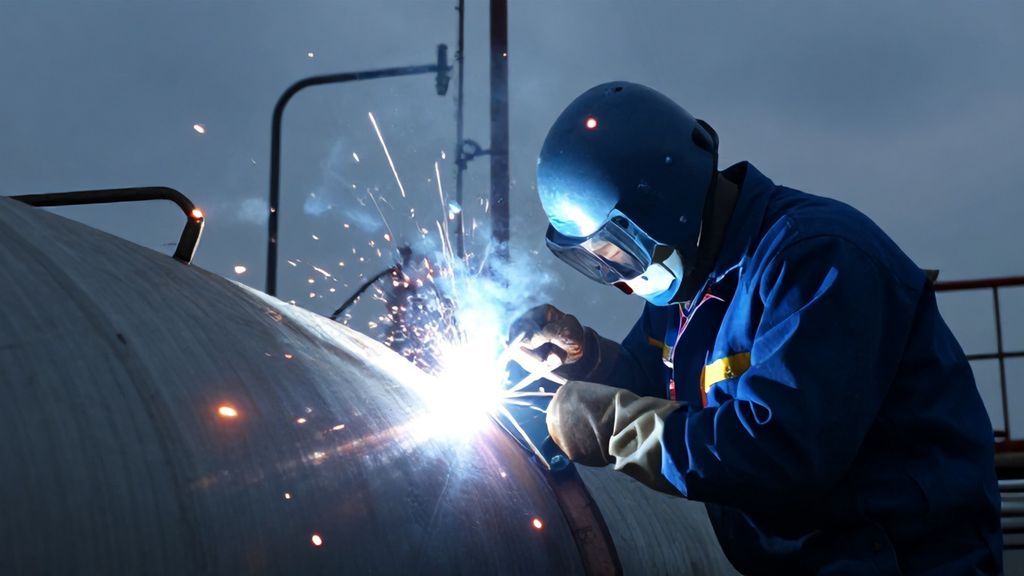
2.Hot cracks and their prevention measures
The formation of welding cracks in low-temperature liquid storage tanks is related to stress, impurities and chemical composition. Harmful elements such as sulfur, phosphorus and other elements that are prone to form low-melting-point eutectics, when acting together in the weld seam, cause severe segregation and thus form welding cracks. When the weld pool is deep and narrow during welding, the segregation is more concentrated in the middle of the weld seam, making it prone to forming welding cracks. When welding low-temperature liquid storage tanks, the following measures can be taken to prevent the formation of welding cracks:
(1) Consider the dilution effect of the base metal on the weld metal. The alloy content in the welding material that increases toughness and crack resistance should be higher than that of the base metal, and the sulfur and phosphorus contents should be lower. Increasing the alkalinity of the welding material can improve the crack resistance.
(2) Perform appropriate preheating and control the welding sequence to reduce the joint stiffness.
(3) Use the correct welding parameters and maintain a shallow and wide weld pool.
The above are the causes of welding cracks in low-temperature liquid storage tanks and the corresponding prevention measures. This is for reference only.