

The Future of Cryogenic Equipment: Innovations Driving Industry Transformation
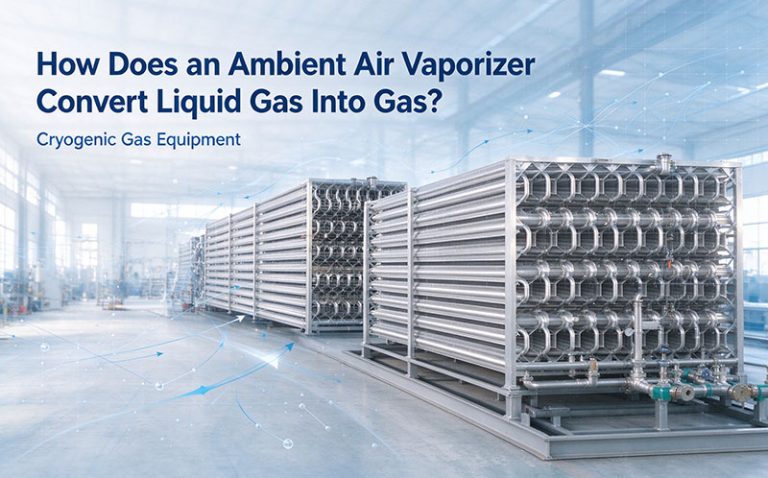
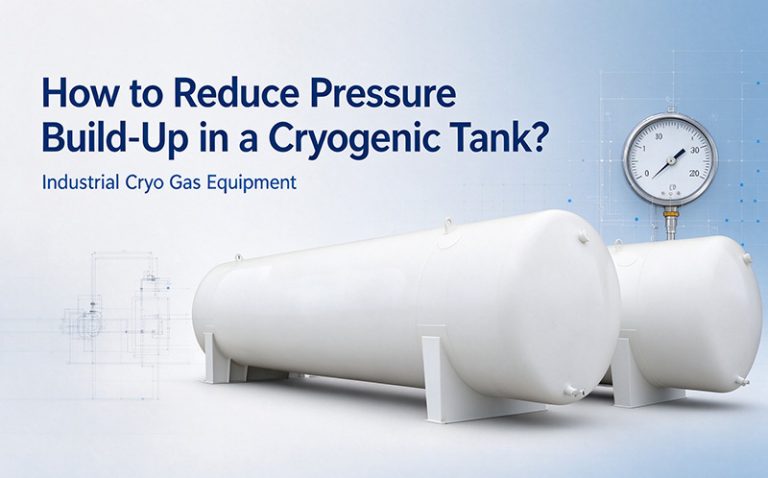
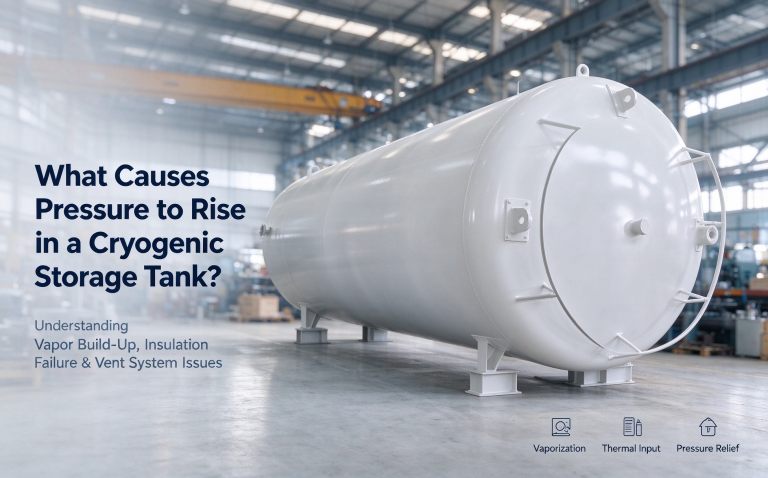
You might be a company that uses low-temperature gas equipment. The current low-temperature storage technology has brought great convenience to our daily life and production.As we move forward into 2026 and beyond, the future of cryogenic equipment is being shaped by a confluence of technological advancements, market demands, and environmental considerations. This article explores the key trends and innovations that are set to redefine the landscape of cryogenic equipment.
1.Technological Breakthroughs in Material Science
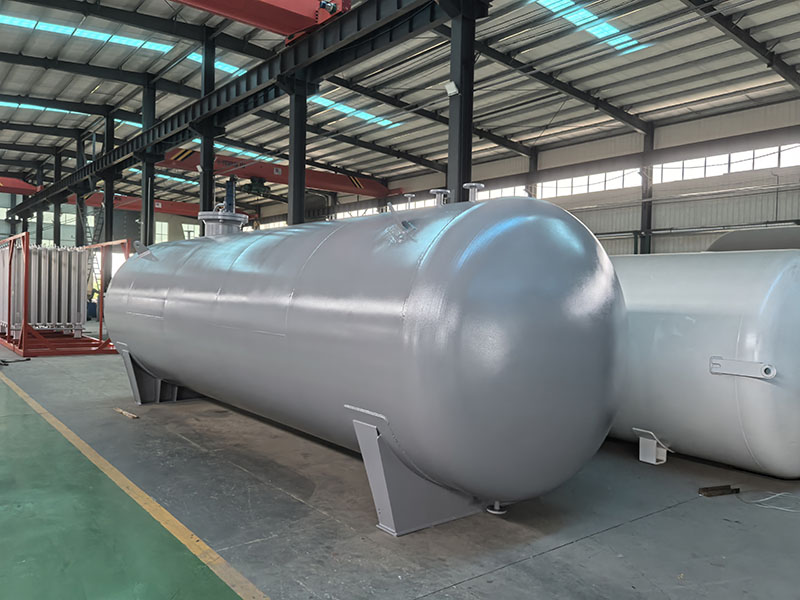
One of the most significant drivers of innovation in cryogenic equipment is the progress in material science. Traditional cryogenic systems have relied on materials like stainless steel and aluminum, which, while effective, have limitations in terms of thermal conductivity and weight. Recent advancements have introduced novel materials such as advanced composites and cryogenic-grade polymers that offer superior thermal insulation properties, reduced weight, and enhanced durability. These materials are enabling the development of more efficient and compact cryogenic storage and transportation solutions, crucial for applications like liquefied natural gas (LNG) shipping and space exploration.
2.Precision Control Systems for Enhanced Performance
The demand for higher precision and control in cryogenic processes is fueling the development of sophisticated control systems. Modern low-temperature equipment is equipped with intelligent sensors, real-time monitoring devices and algorithms based on artificial intelligence, which are used to optimize temperature control, pressure regulation and flow management.
3.Sustainability and Energy Efficiency
As the global focus shifts towards sustainability, cryogenic equipment manufacturers are prioritizing energy efficiency and environmental impact.Innovative technologies such as regenerative cooling cycles, waste heat recovery systems and low-GWP refrigerants are reducing the carbon footprint of low-temperature operations.Moreover, the integration of renewable energy sources, like solar and wind, into cryogenic power supplies is gaining traction, particularly in remote or off-grid applications. For example, in the food processing industry, cryogenic freezing using liquid nitrogen is becoming more energy-efficient, thanks to improved heat exchanger designs and optimized nitrogen recovery systems, reducing both operational costs and environmental impact.
4.Expansion into Emerging Markets
The cryogenic equipment market is witnessing significant growth in emerging economies, driven by industrialization, infrastructure development, and increasing investments in sectors like healthcare, energy, and electronics. In regions such as Asia-Pacific and Latin America, governments are promoting the adoption of cryogenic technologies through incentives and subsidies, fostering a conducive environment for market expansion. For instance, in India, the government’s push for LNG as a cleaner fuel alternative is spurring demand for cryogenic storage tanks and transportation vehicles, creating new opportunities for equipment manufacturers.
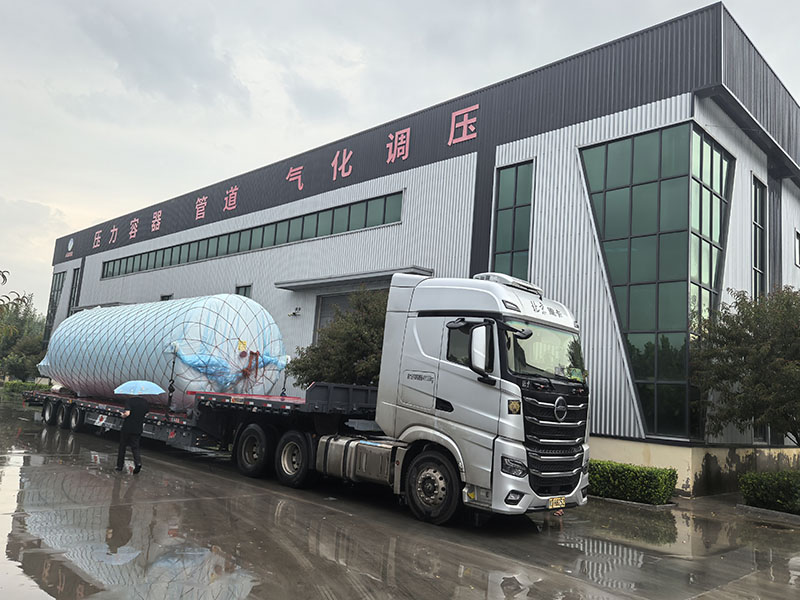
5.Customization and Modular Design
To cater to the diverse needs of different industries, cryogenic equipment is evolving towards customization and modular design. Manufacturers are offering tailored solutions that can be easily integrated into existing workflows, reducing installation time and costs. Modular cryogenic systems, which can be scaled up or down based on demand, are particularly popular in research laboratories and small-scale industrial applications. This flexibility not only enhances operational efficiency but also allows for quicker adaptation to changing market requirements.
6.Enhanced Safety Features
Safety remains a paramount concern in cryogenic operations, given the extreme temperatures and potential hazards involved. Future cryogenic equipment will incorporate enhanced safety features such as automatic shut-off mechanisms, leak detection systems, and improved insulation to minimize the risk of accidents. Additionally, the use of digital twins and simulation software in the design phase enables manufacturers to identify and mitigate safety risks before physical prototypes are built, ensuring safer and more reliable equipment.
Conclusion
The future of cryogenic equipment is bright, with technological advancements, market demands, and environmental considerations driving innovation and growth. As manufacturers continue to push the boundaries of technology, we can expect to see more intelligent, greener and more personalized low-temperature technologies that can meet the constantly changing demands of various industries worldwide. For enterprises in this field, keeping up with these trends and increasing research and development investment will be key to maintaining competitiveness and seizing opportunities in emerging markets. By embracing innovation and sustainability, the cryogenic equipment industry is poised to play a pivotal role in shaping the future of industrial technology.