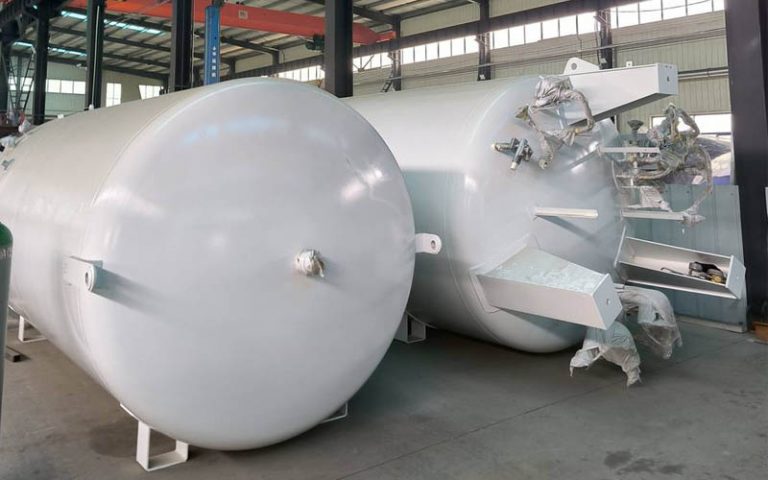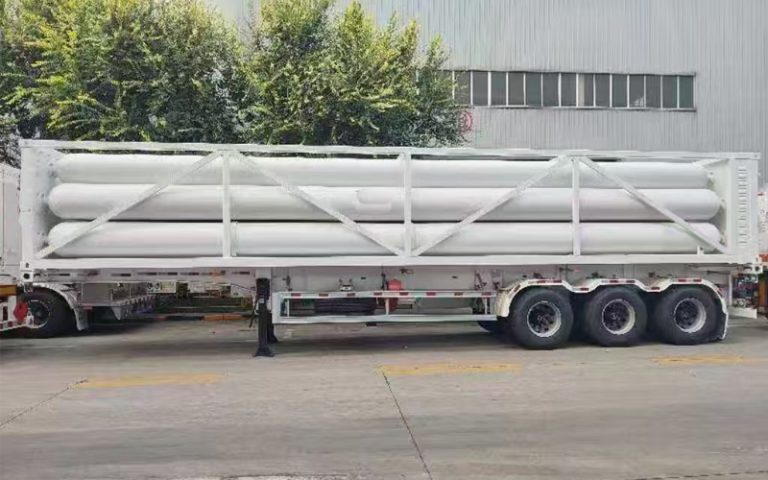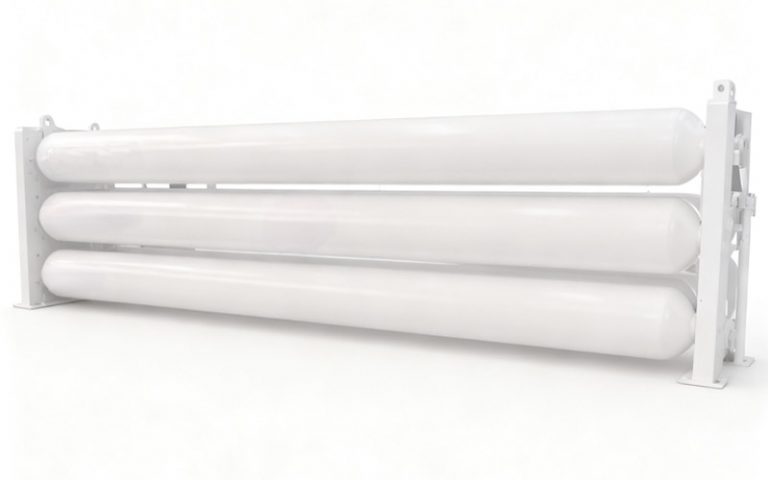

Liquid carbon dioxide storage tanks are indispensable equipment in industrial applications, and correct operation is of utmost importance. The following is the optimized operation procedure to ensure safety, efficiency, and compliance with SEO standards.
Ⅰ.Pre-operation Inspection
Valve and Pressure Gauge Inspection: Before operation, make sure that the valves and pressure gauges are in normal working condition. This is the first step in preventing accidents.
Safety Valve and Pressure Gauge Calibration: Calibrate the safety valve and pressure gauge at least once a year to ensure their accuracy and reliability.
II. Stress Management
Pressure Range Control: The pressure inside the tank should be maintained between 0.7 MPa and the upper limit of the working pressure, to prevent the formation of dry ice due to low pressure or triggering frequent activation of the safety valve due to high pressure.
Pressure Abnormal Handling: If the pressure is lower than 0.7 MPa, immediately stop the gas flow; when the tank is out of use for a long time, it is necessary to manually discharge and relieve the pressure to prevent damage to the safety valve.
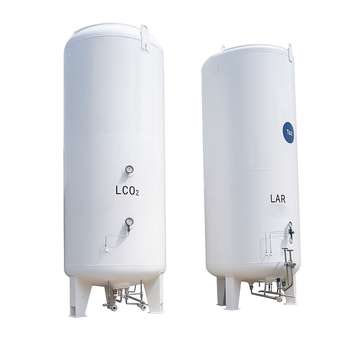
III. Gas Supply Operation
Liquid-phase gas supply: When the pressure indicated by the pressure gauge is lower than the set value, open the bottom liquid supply valve, close the gas phase valve, and use liquid-phase gas supply.
Gas-phase gas supply: After the pressure returns to normal, open the gas phase valve and close the liquid supply valve, maintaining the pressure within the safe range.
IV. Daily Maintenance and Monitoring
Regular Patrols: The on-duty personnel should be familiar with the equipment manual. They should record the pressure, liquid level, and leakage conditions at least three times a day and promptly handle any abnormalities.
Leak Detection: Regularly inspect the tank body, weld seams, and valves. If any gas leakage is detected, immediate measures should be taken to ensure production safety.
V. Filling and Shutdown Procedures
Filling Preparation: Inspect valves, pressure gauges, and level indicators to ensure no leaks and accurate instrument readings.
Filling Operation: Connect the tanker to the storage tank, slowly open the valves, monitor the liquid level to prevent overfilling, and turn off the engine and stay away from open flames during operation.
Shutdown Handling: For short-term shutdown, drain the remaining liquid; for long-term shutdown or after maintenance, conduct a gas tightness test and purge treatment.
VI. Safety Precautions
Environmental Requirements: The storage tank should be placed in a cool and dry place, and the indoor area should have good ventilation to prevent the accumulation of carbon dioxide which could cause asphyxiation.
Fault Handling: When valves or instruments are frozen, do not use open flames for heating; instead, use hot air or warm water to melt them. In case of leakage or frostbite, take emergency measures immediately and seek medical attention.
Frost Removal Handling: When a large area of the outer wall of the tank is covered with frost, stop using it and conduct maintenance to avoid equipment damage.
VII. Operator Requirements
Training and Knowledge: Operators must be familiar with pressure vessel regulations and the characteristics of cryogenic liquids, and be able to understand the equipment processes and emergency measures.
Protective Equipment: When handling cryogenic liquids, wear leather gloves and goggles; in case of large leaks, use non-rubber boots and protective clothing.
By following these steps, the safe operation of the liquid carbon dioxide storage tank can be ensured, production efficiency can be improved, and risks can be reduced.